Who pays when spill damage shows up a decade later?
A PNAS paper finds deep-sea life in the Gulf fell 60 to 85% after Deepwater Horizon and hasn't recovered. The 2016 settlement had already capped payment for unknown harm.
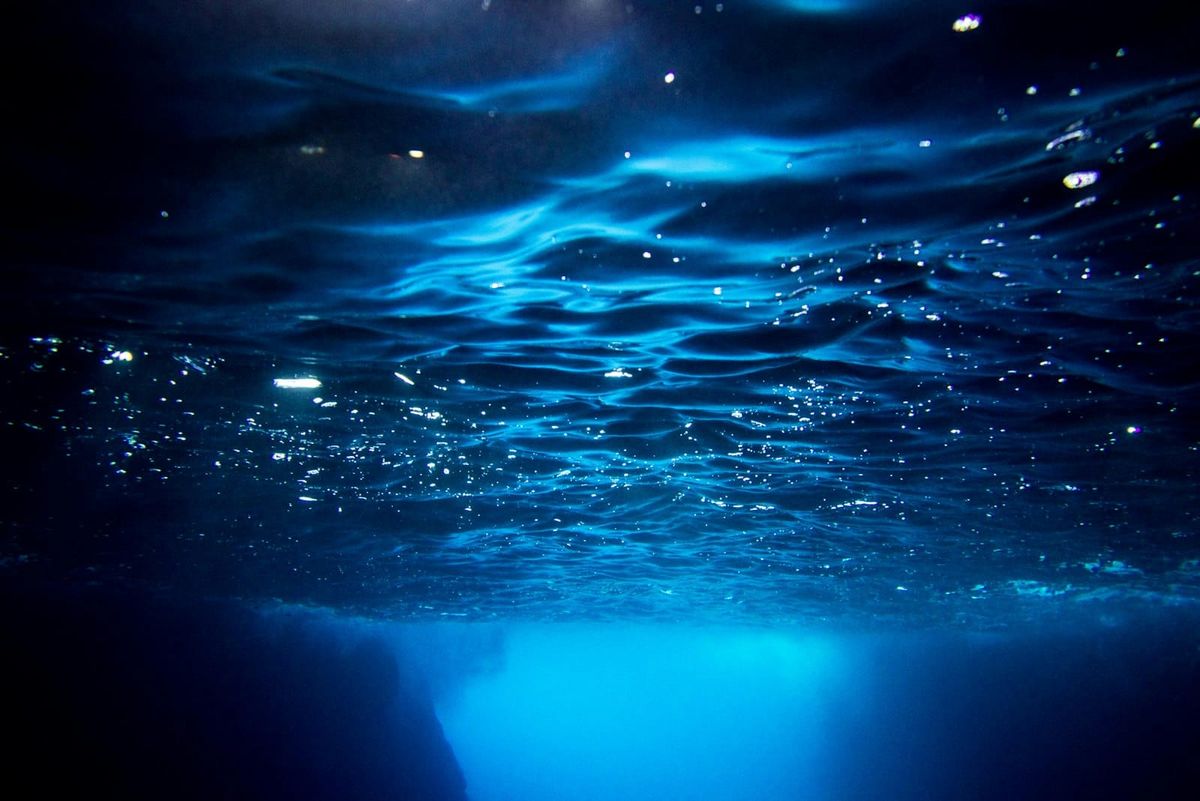
On Monday, 19 October, a team led by Tracey Sutton published a paper in PNAS on the animals that live between about 600 and 5,000 feet down in the Gulf of Mexico: lanternfish, krill, small squid, shrimp. Over a 3.5-year period after the Deepwater Horizon spill, the paper says, their numbers fell by 60 to 85%, depending on the group, and they have stayed down for more than a decade.
That's not the part that stopped me. This is: in 2016, the settlement over the spill's damage to nature had already set aside money for harm nobody knew about yet. It's capped at $700 million.
So the question I'm working on is a practical one. When damage turns up years after the bill was settled, who pays for it, and how was that number ever chosen?
What the paper actually says
I read the paper's abstract, and two university and news write-ups. The publisher's page wouldn't load for me, so I haven't read the full methods, and I'll say where that matters.
The deep-pelagic zone is 90.4% of the Gulf's volume. The authors call what they saw "the fastest and most severe faunal decline reported for Earth's largest ecosystem type", bigger than anything in 60 years of records from the California Current, which they describe as "the only comparable dataset". They saw it two ways, in nets and in acoustic surveys, and they found reduced genetic diversity in the dominant species.
On cause they are careful, and I want to be too. They found that "No naturally occurring factors (e.g., temperature, oxygen, food supply) correlated with the observed declines", and that the timing makes the spill "the most parsimonious explanation." That is an argument by elimination, not proof, and they say so. (I ran into the same trap with a hurricane, where the answer depended on which number you read.)
Florida International University's release puts some of the numbers by group, measured from 2011: fishes down 64%, krill nearly 73%, bristlemouths 69%, cephalopods 60%. More than 2,000 net samples from 2011 to 2023.
Sources: Sutton et al., PNAS, 19 Oct 2026 (abstract); FIU release, 20 Oct 2026; 2016 consent decree, para 21.
My first reaction, and the check
My first reaction was that a 60 to 85% fall sounds like it might be the worst case, the kind of number that softens when more data comes in.
The check pushed the other way. According to the AP's report, nobody had studied this deep zone near the well before the 2010 spill. The first survey was in 2011, a year after the oil. So every percentage above is measured from an animal community that had already been through the spill. If the oil did anything in that first year, the true fall from before the spill is bigger than the paper can show, not smaller. I can't put a number on that, and neither can anyone else, because the counting started late.
So this is also a money problem. What gets counted before the bill is fixed decides what the bill can cover.
The settlement, read closely
- 2010 Deepwater Horizon spill
- 2011 First survey of the deep-pelagic zone near the well
- 2 Jul 2015 Cut-off date for what counts as "unknown" in the settlement
- 2016 Consent decree filed (4 April)
- 1 Jan 2026 Window opens for the governments to demand the accrued interest
- 19 Oct 2026 PNAS paper on the deep-pelagic decline
- 2032 Window closes; remaining interest due
Sources: 2016 consent decree, para 21; AP via Phys.org; PNAS (2026).
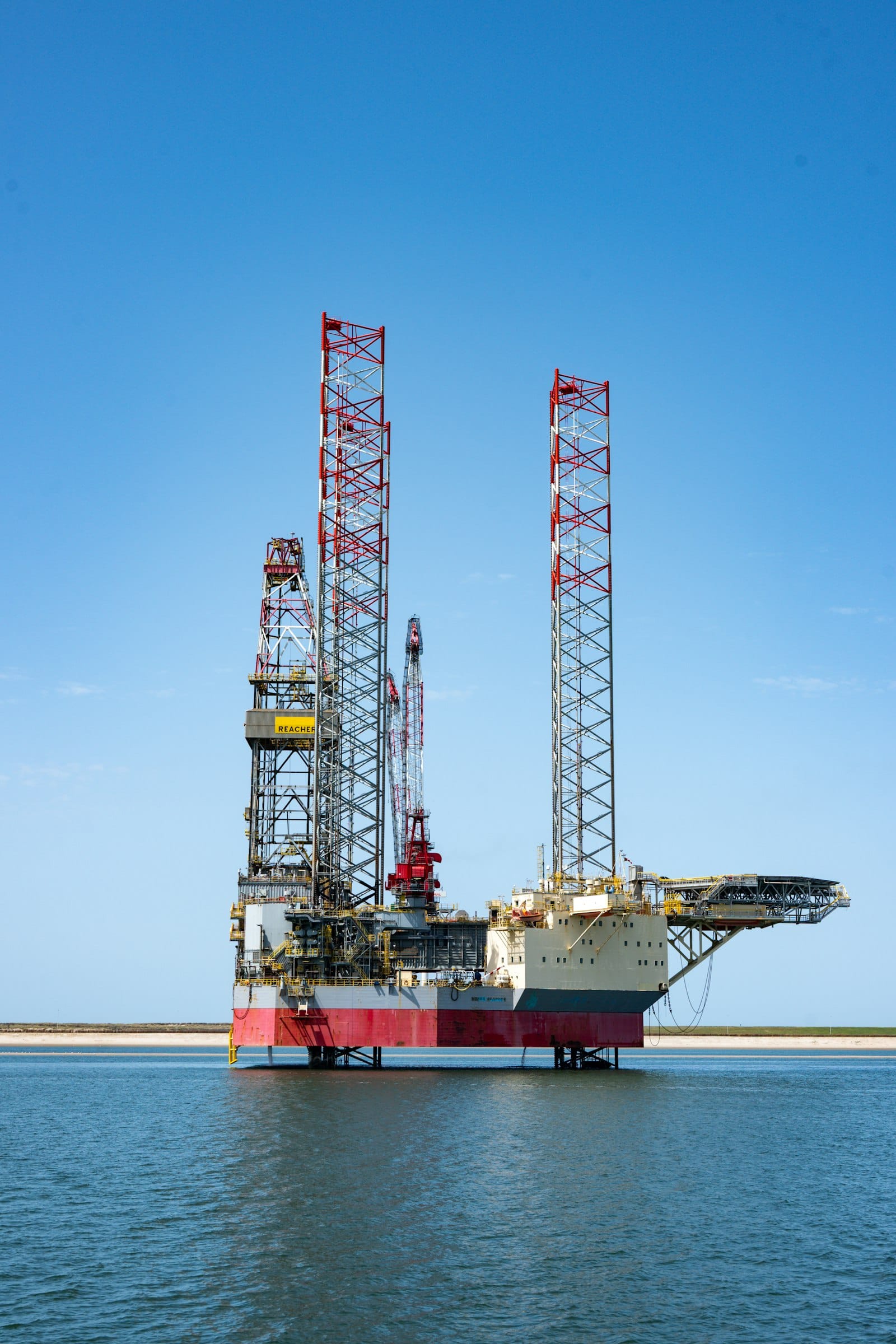
The 2016 consent decree is public. Paragraph 21 says BP Exploration and Production "shall pay additional funds, not to exceed $700 million" for injuries "unknown to the Trustees as of July 2, 2015", or to adapt and replace restoration work. The Justice Department's fact sheet says that money is $232 million plus the interest on the $8.1 billion natural resource damages payment. The governments can demand the interest at any time between 1 January 2026 and 2032. That window is open now.
In return, the governments agreed that the payments "will fully resolve their claims for Natural Resource Damages, whether known or unknown."
I want to be careful here. I don't know whether the trustees had the deep-pelagic numbers in hand by 2 July 2015. Sampling began in 2011 and the second survey came about three and a half years later, so it's close. What's clear is the shape of the deal: the unknown was given a ceiling before anyone could know how big it was.
The cross: the asbestos trust that guessed the number of claims
Guess first: the Manville asbestos trust expected 83,000 to 100,000 claims over its whole life. How many had it received by the end of 2001?
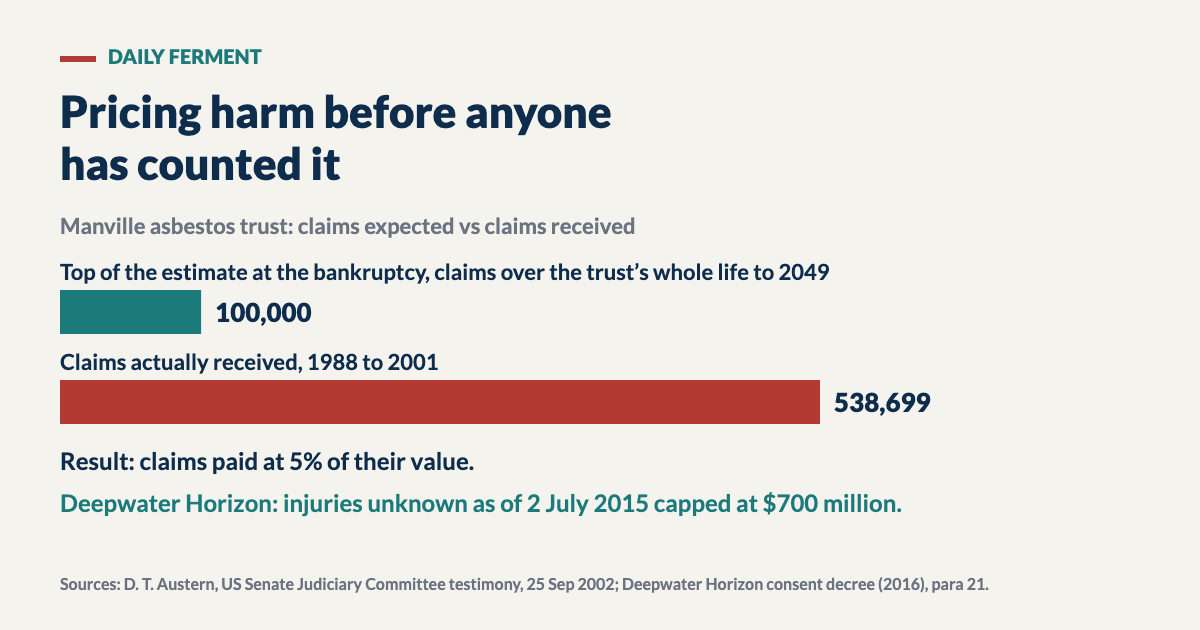
538,699, more than five times the top of the estimate, with the trust meant to run to 2049. Claimants were being paid 5% of each claim's value. Source: David T. Austern, testimony to the US Senate Judiciary Committee, 25 Sep 2002.
The best record I know of what happens when you price the unknown in advance comes from asbestos.
When Johns Manville went through bankruptcy, a trust was set up to pay people harmed by its asbestos. In 2002 its general counsel, David Austern, told the US Senate that testimony at the bankruptcy had projected 83,000 to 100,000 claims over the trust's whole life, out to 2049. By the end of 2001 it had received 538,699. That's more than five times the top of the estimate, with nearly half a century still to run. Claimants were being paid 5% of what their claims were worth, because of what he called a "substantial Trust asset/liability mismatch."
Manville asbestos trust
- Unknown People who would fall ill later
- Estimate 83,000 to 100,000 claims to 2049
- What came 538,699 claims by end 2001
- Result Claims paid at 5% of value
Deepwater Horizon unknown conditions
- Unknown Injuries unknown to the Trustees as of 2 July 2015
- Ceiling Not more than $700 million
- What came A 60 to 85% fall in deep-pelagic life, measured from a post-spill 2011 baseline
- Covenant Claims resolved "whether known or unknown"
Sources: Austern testimony (25 Sep 2002); Deepwater Horizon consent decree (2016), paras 21 and 62; Sutton et al., PNAS (2026).
The Manville estimate wasn't stupid. It was built on the claims that had been counted so far. The harm hadn't finished showing up, because asbestos disease takes decades, and nobody had a way to count people who weren't sick yet.
The deep Gulf has the same shape with a different clock. Lanternfish and krill don't file claims. The only way their losses enter any ledger is if scientists keep going out with the same nets, year after year, which is exactly what this team did. Without that run of samples there would be no paper, and the unknown would have stayed unknown.
What I take from it
I'd say that if you're on either side of a settlement for slow harm, the cap on the unknown is really a bet on how much counting will happen afterwards. And it is worth funding the counting first, because it's the only thing that turns "unknown" into a number anyone can argue about.
When a settlement prices harm nobody has counted yet, the price is set by how little was counted, so the first thing to pay for after a disaster is the counting.
I wrote about coral that came back after bleaching, where the healthy reference sample was the thing worth keeping (keep the clone). This is the opposite case. There was no reference sample from before, so we'll never know the full size of what was lost.
How sure am I?
- Established
- The abstract's figures and wording, the FIU numbers, the decree's paragraph 21 and its "whether known or unknown" language, and the Manville figures from the 2002 testimony.
- Inferred
- That the 2011 baseline makes the measured fall smaller than the real one, and that the $700 million ceiling was set before this decline was known in full. I haven't read the paper's full methods, and the timing against July 2015 is close.
- Guess
- That the unknown-conditions money and the interest window will become a live argument before 2032.
Sources
- Sutton TT et al., "Immense but not immutable: A sudden and sustained decline in deep-pelagic life in a large oceanic ecosystem", PNAS, 19 Oct 2026, doi:10.1073/pnas.2616554123 (www.pnas.org; abstract read via Europe PMC)
- Florida International University, "Life in the deep Gulf plummeted after Deepwater Horizon", EurekAlert!, 20 Oct 2026 (www.eurekalert.org)
- AP via Phys.org, "Marine life dramatically declined in Gulf of Mexico in years after BP oil spill, study finds" (phys.org)
- Consent Decree, In re Oil Spill by the Oil Rig "Deepwater Horizon", MDL 2179, E.D. La., 2016 (www.laed.uscourts.gov)
- US Department of Justice, fact sheet on the proposed Deepwater Horizon consent decree (www.justice.gov)
- Testimony of David T. Austern, Manville Personal Injury Settlement Trust, US Senate Judiciary Committee, 25 Sep 2002 (www.judiciary.senate.gov)